
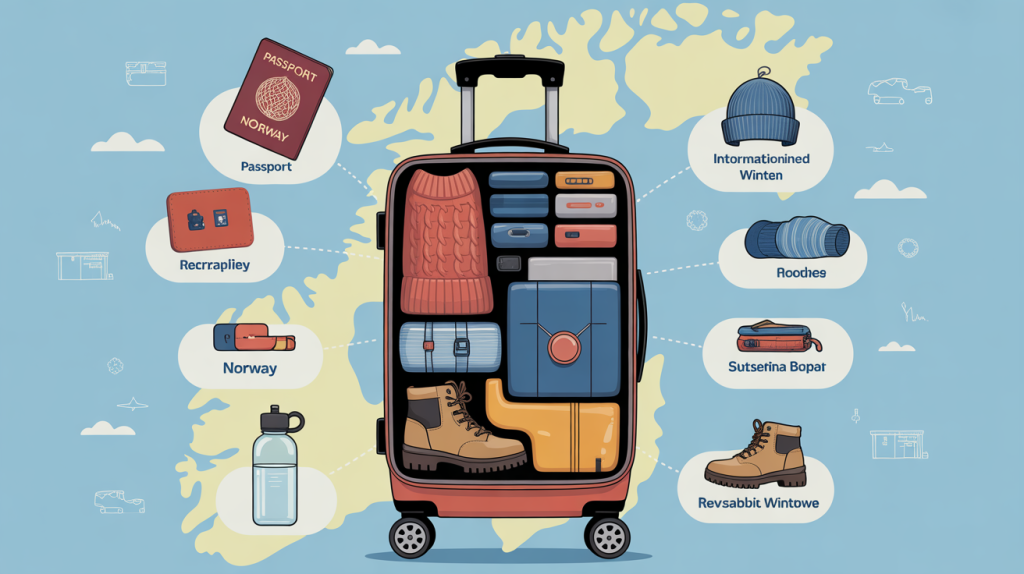
Essential Packing Tips for International Students in Norway
Quick Navigation
- Understanding the Norwegian Climate: Clothing Essentials
- Footwear: Prioritize Functionality and Comfort
- Student Housing: Essential Packing List
- Academic and Personal Documents: Stay Organized
- Electronics and Power Adaptors
- Additional Useful Items for Daily Life
- Pro Packing Tips for International Students in Norway
- Conclusion: Your Next Steps to Ready Students for Norway
Understanding the Norwegian Climate: Clothing Essentials
Norway’s weather is known for its variability, with cold and wet conditions dominating most of the year outside the short summer season. Dressing appropriately for these conditions is fundamental.
Dress in Layers
Layering is the cornerstone of staying comfortable in Norway’s climate. This approach allows students to adapt quickly to fluctuating temperatures and varying indoor and outdoor environments.
- Base layers: Wool thermal underwear or long underwear is highly recommended, especially from December to March. Wool’s natural insulation properties make it superior for retaining heat while allowing breathability.
- Middle layers: Soft sweaters, sweatshirts, and fleece jackets provide warmth without bulk.
- Outer layers: Invest in a good-quality waterproof and windproof jacket paired with rain pants. Norwegians commonly say, “there is no such thing as bad weather, only bad clothing,” emphasizing the importance of protective outerwear.
Accessories and Everyday Wear
- Warm hats, scarves, gloves, and thermal socks are vital to combat cold weather.
- Casual, sporty clothing suits the active Norwegian student lifestyle. Formal clothing is rarely necessary but consider packing at least one set for special occasions.
- For those interested in outdoor activities such as hiking or skiing—popular pastimes in Norway—specialized outdoor gear is advisable.
Related Reading: Discover student life essentials in Norway for more comprehensive tips.
Footwear: Prioritize Functionality and Comfort
Norway’s landscape and urban environments require practical footwear that balances comfort, insulation, and sturdiness.
- Supportive shoes with a sturdy grip: These are essential for navigating wet, snowy, or icy streets.
- Waterproof hiking shoes: Ideal for outdoor excursions and campus exploration.
- Indoor footwear: Many student accommodations prefer residents to wear indoor shoes to maintain cleanliness.
Choosing versatile shoes that accommodate both daily activities and nature outings enhances the student experience.
Student Housing: Essential Packing List
Many Norwegian student accommodations come unfurnished or only partially furnished. Students should plan accordingly to make their living space comfortable and functional.
- Bedding: Bring a duvet, pillow, and multiple sets of sheets suited to the climate (wool or flannel for colder months).
- Towels and toiletries: Essential items to start with, especially since some students may face delays in purchasing these locally.
- Small kitchen utensils: If permitted by student housing rules, bringing a few basic cooking tools can be economical and convenient.
Arriving equipped with these basics reduces initial stress and helps avoid extra trips to stores.
Learn more about housing preparation in our detailed guide on accommodation for international students.
Academic and Personal Documents: Stay Organized
Proper documentation is critical not only for legal and academic processes but also for ensuring smooth day-to-day living.
- Passport, visa, and study permit: Keep these documents secure and accessible.
- Admission letters and academic transcripts: Bring both original and electronic copies.
- Health insurance documentation: Essential for healthcare access and emergencies.
- Backup copies: Maintain both physical and digital versions of all critical documents for safety.
Organizing these papers before departure helps prevent administrative complications on arrival.
Electronics and Power Adaptors
Norway uses the European standard plug system (type C and F plugs), and electrical outlets supply 230V at 50Hz frequency.
- Power adapters and voltage converters: Bring these for compatibility with your devices.
- Laptop, phone, and chargers: Essential for academic work and daily communication.
- Power strips: Useful for managing multiple devices in typical student accommodations.
Ensuring access to reliable electronics supports both learning and personal connectivity.
Additional Useful Items for Daily Life
Beyond the basics, a few additional items improve daily routines and overall well-being.
- Durable backpack: For commuting between lectures, libraries, and outdoor activities.
- Reusable water bottle and lunchbox: Encourage sustainable habits and convenient self-care.
- Personal medications and basic first aid kit: Especially important since some medications might be difficult to find immediately upon arrival.
- Toiletries: Pack enough personal care items to last until local stores are accessible.
These preparations contribute to a smoother integration into Norwegian student life.
Pro Packing Tips for International Students in Norway
- Check airline baggage allowances: Avoid overweight luggage fees by planning and packing smartly.
- Pack light but smart: Focus on essentials needed for the first weeks; many everyday items are available in Norway.
- Embrace Norway’s outdoor culture: The right gear enables students to enjoy both the campus environment and the country’s natural beauty.
Thoughtful packing based on climate adaptability and lifestyle ensures that international students can fully engage in their academic journey and social integration.
Conclusion: Your Next Steps to Ready Students for Norway
Preparing for study in Norway requires more than just academic readiness—it demands practical, well-informed packing and logistical planning. By sharing these essential packing tips, students are better equipped to face Norway’s climate, housing realities, and cultural expectations confidently.
For recruiters, admissions teams, and agencies, embedding these insights into pre-departure counseling programs can increase student satisfaction and success rates.
Take the Next Step with Study in Norway
Explore further how our resources can assist international students in their journey to Norway.