
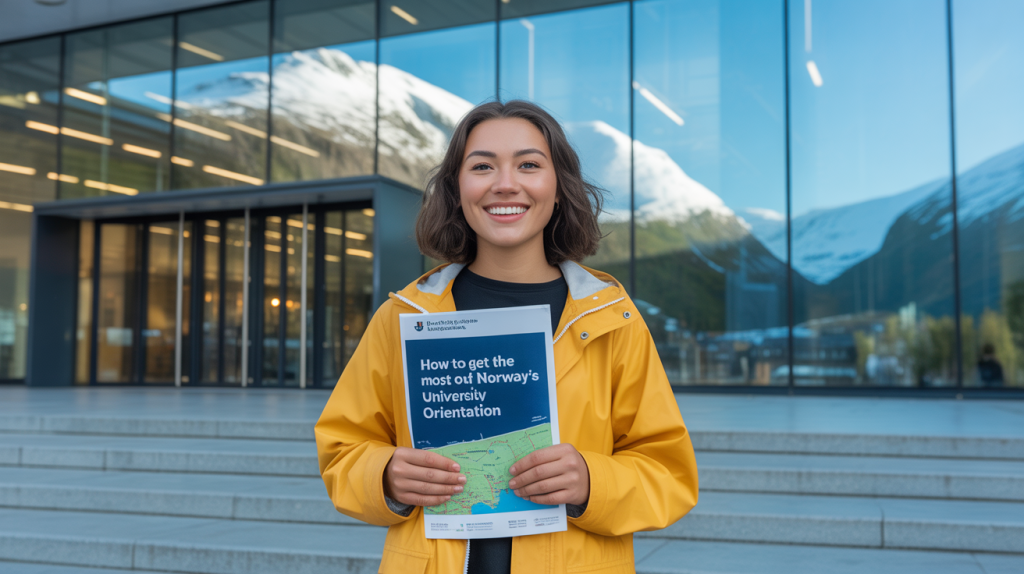
How to Get the Most Out of Norway’s University Orientation
Quick Navigation
- The Importance of University Orientation in Norway
- Timing and Preparation: Setting the Stage for Success
- Key Orientation Activities: Unlocking Vital Knowledge
- Building Connections: Establishing Your Network Early
- Addressing Practical Matters: Managing Day-to-Day Life
- Beyond Orientation: Continuing Support and Engagement
- How Study in Norway Supports International Students and Education Professionals
- Conclusion: Start Strong with an Effective Orientation Experience
The Importance of University Orientation in Norway
Orientation is much more than just a formal welcome; it is a structured introduction designed to empower students with knowledge, connections, and confidence. Given Norway’s unique education system and cultural landscape, orientation helps international students understand what to expect and how to thrive.
For recruiters, admissions teams, and education professionals, understanding the components of orientation can enhance student support services and improve recruitment communications.
Timing and Preparation: Setting the Stage for Success
Norwegian universities typically organize orientation sessions at the beginning of each semester, ensuring students receive timely and relevant information.
- Know the Dates: Each institution schedules its orientation week differently. For example, NTNU (Norwegian University of Science and Technology) plans its Orientation Week for the 2025 autumn semester from August 11-15, 2025. Checking your university’s academic calendar ensures you do not miss these crucial sessions.
- Prepare in Advance: Study any pre-orientation materials or emails shared by your university. Coming prepared with questions about academic procedures, campus facilities, and student services maximizes engagement.
- Early Arrival: Arriving a few days before the program can help you adjust to Norway’s time zone and climate, allowing for a stress-free start.
By advising students and instituting clear communication on these preparatory steps, education professionals can significantly enhance the impact of orientation.
Key Orientation Activities: Unlocking Vital Knowledge
Academic Introduction
The academic orientation is central to understanding how Norway’s educational system functions:
- Understanding the Norwegian Educational System: Sessions explain academic standards, grading methods, and study expectations, helping students align their efforts with local requirements.
- Course Registration Procedures: Taking the time to learn the enrollment process, deadlines, and add/drop policies prevents unnecessary complications.
- Digital Learning Resources: Orientation often includes introductions to library systems, online portals, and learning management platforms, crucial for academic success.
- Academic Advising: Meeting with advisors helps students finalize course selections that align with their goals and program requirements.
Campus Familiarization
Orientation offers guided tours and introductions to essential campus locations:
- Lecture halls and classrooms
- Student support offices
- Health and counseling centers
- Sports and recreational facilities
- Student organizations and clubs
- Dining and retail options
Familiarity with these places promotes independence and helps students integrate smoothly into campus life.
Cultural Integration
For international students, understanding and adapting to Norwegian culture is key to a positive educational experience:
- Cultural Awareness Workshops: Delve into Norwegian customs, values, and social norms.
- Practical Living Information: Learn about housing, transportation, and daily life necessities.
- Language Introduction: Even if courses are in English, acquiring basic Norwegian phrases can enhance communication and community engagement.
- Social Norms and Expectations: Tips on etiquette and community participation foster respectful and meaningful interactions.
These activities empower students to feel confident and welcomed in their new environment.
Building Connections: Establishing Your Network Early
Orientation is an ideal time to start building a supportive social and academic network:
- Engage in Social Events: Attend mixers, club fairs, and cultural nights to meet peers from diverse backgrounds.
- Exchange Contacts: Networking early can lead to study groups, project collaborations, and lifelong friendships.
- Connect with Student Organizations: Joining clubs aligned with your interests enriches the university experience.
- Seek Mentorship: Senior students and faculty members provide guidance and insights that ease academic and social challenges.
Encouraging active participation during orientation benefits student well-being and retention, a point of focus for recruitment and student affairs teams alike.
Addressing Practical Matters: Managing Day-to-Day Life
Orientation week is the best opportunity to get essential practicalities sorted:
- Obtain your student ID card for campus access and discounts
- Understand public transportation systems and available student fares
- Set up bank accounts and explore mobile phone plans
- Familiarize yourself with local healthcare services
- Purchase necessary living essentials and groceries
Facilitating access to this information within orientation programs reduces stress and enhances students’ sense of security.
Beyond Orientation: Continuing Support and Engagement
Orientation lays the foundation, but integration continues throughout the academic journey:
- Follow Up: Utilize resources, workshops, and student services highlighted during orientation.
- Maintain Connections: Stay in touch with mentors, advisors, and peers to sustain your support network.
- Academic Collaboration: Join study groups and attend supplementary lectures or seminars.
- Cultural Engagement: Participate in ongoing social events and cultural activities to deepen your experience.
By fostering continuous engagement, universities and recruitment agencies can improve student satisfaction and success rates.
How Study in Norway Supports International Students and Education Professionals
At Study in Norway, we understand that maximizing the orientation experience is pivotal for student success. Our platform offers comprehensive resources designed to streamline student support processes and enhance your journey.
- For International Student Recruiters: We provide insights and resources to prepare and inform prospective students effectively.
- For University Admissions Teams: Our solutions help manage orientation communications and track student engagement.
- For HR and Marketing Professionals in Education: Study in Norway’s expertise enables targeted outreach that highlights the benefits of Norwegian university orientations and student life.
- For Student Placement Agencies: We offer partnership opportunities that enhance orientation readiness and integration support.
Explore our student recruitment services and comprehensive guides on international study in Norway to learn how we can help optimize the orientation experience and beyond.
Conclusion: Start Strong with an Effective Orientation Experience
How to get the most out of Norway’s university orientation is a question that directly impacts student outcomes and institutional success. Careful preparation, active engagement in orientation activities, building connections, and managing practical matters set the stage for a rewarding academic experience.
Whether you are an international student preparing to study in Norway or an education professional supporting student transitions, harnessing the full potential of orientation week is essential.
Take the Next Step with Study in Norway
Ready to enhance your orientation programs or improve international recruitment? Contact Study in Norway today to discuss partnership opportunities and discover how our expertise can support your goals.