
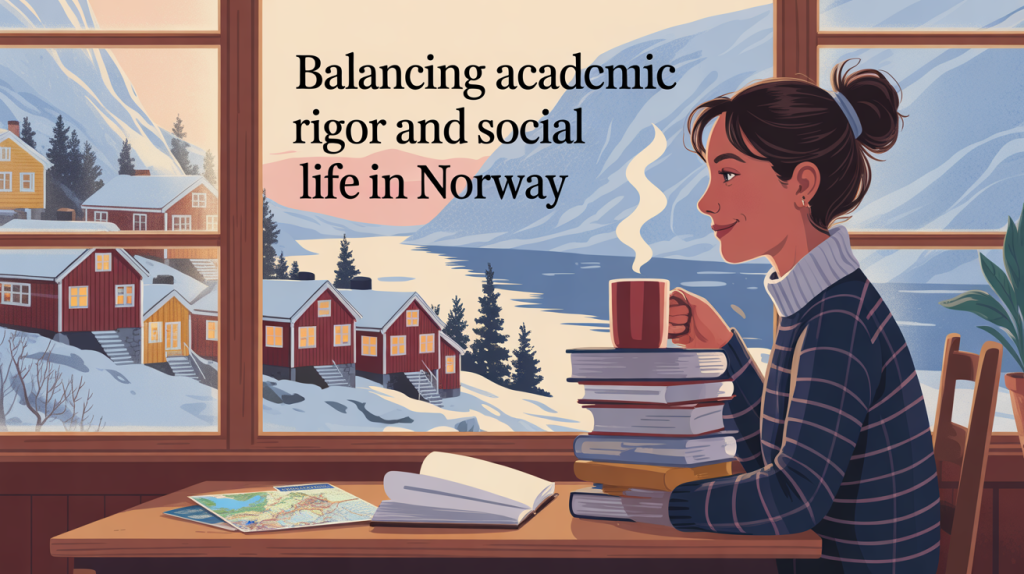
Balancing Academic Rigor and Social Life in Norway: A Guide for International Students and Education Professionals
Understanding the Norwegian Approach to Academic and Social Balance
Norway’s educational institutions emphasize a harmonious blend of academic excellence and social engagement. This philosophy is reflected not only in curriculum design but also in the broader student environment, underscoring the belief that well-rounded student experiences promote mental health, academic motivation, and long-term success.
Norwegian universities encourage students to develop both intellectually and socially, aligning with the country’s societal values on work-life balance and community integration. For international students, this presents both opportunities and challenges as they adapt to new expectations.
Academic Expectations for International Students in Norway
Rigorous but Manageable Workload
International students often find the academic workload in Norway challenging yet manageable, dependent on their prior experience and field of study. Norwegian higher education values independent learning, critical thinking, and active participation, which can be a shift from more structured systems abroad.
Informal and Supportive Teacher-Student Relations
One standout feature of the Norwegian educational model is the informal and approachable relationship between staff and students. This relaxed interaction encourages students to seek academic help proactively, ask questions, and engage more deeply without hesitation. Such support mechanisms help alleviate academic stress and maintain motivation throughout their studies.
Opportunities for Deeper Engagement
Students from academically rigorous backgrounds can take advantage of opportunities to enhance their learning experience by undertaking additional assignments, participating in teaching activities, or engaging in research projects. This flexibility supports personalized academic growth and aids institutions in nurturing talent.
Work-Life Balance Principles Within Norwegian Student Life
Work-life balance is more than a concept in Norway—it is a cultural norm, mirrored in how students schedule their academic and personal lives. Norwegian education policies encourage students to pursue recreational interests alongside their studies.
International students are permitted to work part-time during their education, a benefit that provides financial support and enhances cultural assimilation. Part-time employment fosters real-world skills, broadens social networks, and complements academic learning.
Addressing Social Challenges Faced by International Students
Despite the supportive environment, international students can face difficulties such as loneliness, homesickness, and social isolation, particularly when interactions with Norwegian students are limited. Studies show international students often cluster socially with other internationals, which may slow cultural integration.
To combat this, active involvement in student associations and campus life is critical. Institutions recommend students take early initiatives to build inclusive social networks, engage in cultural exchange opportunities, and make use of counseling and peer support services.
Practical Tips for Students and Education Professionals on Achieving Balance
For student recruiters, admissions teams, and support staff, understanding and communicating these tips can greatly enhance the student experience and recruitment success.
- Encourage Active Participation in Student Groups: Promote the wide variety of student associations and emphasize their role in social integration and leadership development.
- Advocate for Outdoor and Wellness Activities: Highlight the importance of physical activity and engagement with nature as part of student well-being.
- Facilitate Open Communication Channels Between Students and Staff: Encourage international students to utilize the informal yet supportive academic environment to seek assistance and guidance.
- Promote Effective Time Management: Guide students to create balanced schedules that allocate time for studies, social activities, and rest to prevent burnout.
- Support Part-Time Employment Opportunities: Inform students about the regulations and benefits of part-time work during studies, helping them plan financial and social integration strategies.
Summary Table: Strategies for Balancing Academic Rigor and Social Life
| Strategy | Academic Benefit | Social Benefit |
|---|---|---|
| Join Student Associations | Builds teamwork and leadership | Expands social circle, encourages belonging |
| Engage in Outdoor Activities | Enhances focus and reduces stress | Connects with local culture and peers |
| Take Advantage of Staff Support | Improves academic performance | Builds confidence and resilience |
| Work Part-Time | Develops practical skills | Facilitates cultural assimilation |
How Study in Norway Supports the Balance of Academic Rigor and Social Life
At Study in Norway, we understand the critical importance of balancing academic demands with social engagement to optimize student outcomes. Our platform offers comprehensive solutions that:
- Streamline International Recruitment: By providing detailed information on academic expectations and student life in Norway, we help recruiters and admissions teams attract candidates who are well-prepared for this balanced lifestyle.
- Enhance Student Experience Through Information and Integration Support: We connect students with resources on student associations, part-time work regulations, and health and wellness activities, helping them navigate their new environment successfully.
By partnering with Study in Norway, universities, recruiters, and agencies benefit from authoritative insights and cutting-edge technology that supports the seamless integration of international students into Norwegian academic and social life.
Conclusion: Partner with Study in Norway to Empower Student Success
Balancing academic rigor and social life is a cornerstone of the Norwegian higher education experience, essential to fostering motivated, well-adjusted international students. Understanding and promoting this balance can significantly enhance recruitment outcomes and student retention.
If you are an international recruiter, admissions officer, HR or marketing professional in education, or an agency in student placement and edtech, Study in Norway invites you to collaborate with us. Leverage our expertise and innovative solutions to attract and support students who are ready to thrive both academically and socially in Norway.
Take the Next Step with Study in Norway
Explore further and empower your journey in Norwegian education by partnering with us today. Discover resources and insights that support both academic and social success for international students.
Social Engagement: Fostering Integration and Well-Being
Vibrant Student Associations and Activities
Norwegian universities boast a diverse range of student associations—some institutions offer up to 400 different clubs—covering interests from sports and drama to music, environmental activism, and humanitarian efforts. These associations are invaluable platforms for international students to build friendships, experience Norwegian culture, and develop leadership skills.
Participation in these groups is actively encouraged and considered a vital part of the student experience, fostering intercultural dialogue and enhancing social integration.
Embracing Norway’s Outdoor and Cultural Lifestyle
The Norwegian lifestyle places high value on outdoor activities as part of daily life. Easy access to hiking trails, skiing resorts, and natural parks presents excellent opportunities for students to unwind and connect with peers. Additionally, urban areas offer lively cultural scenes with coffee bars, music venues, and festivals that broaden social interactions.
Engagement in these activities contributes to physical health and emotional resilience, essential factors for balancing academic pressures.