
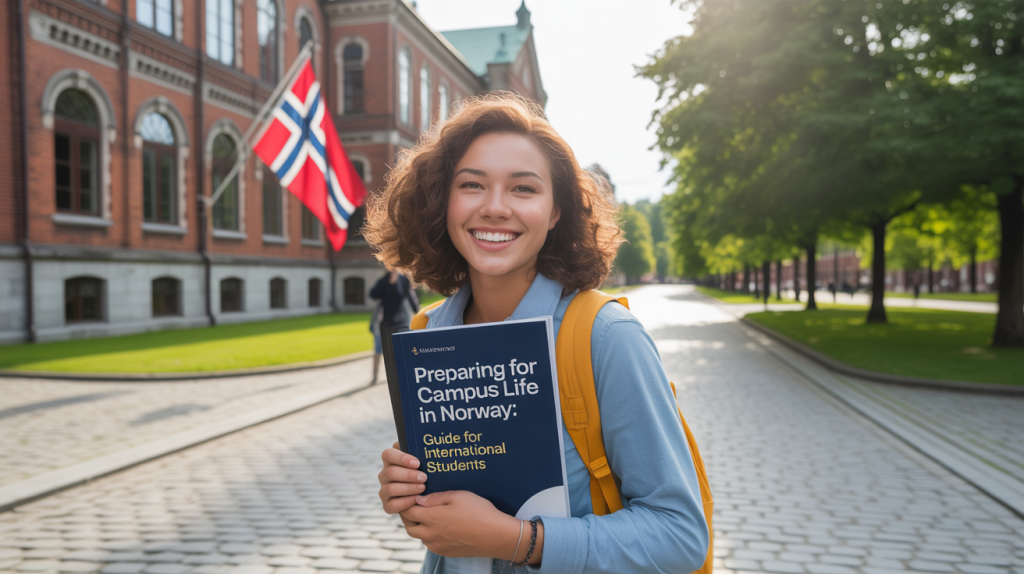
Preparing for Life on Campus in Norway: A Comprehensive Guide for International Students
Quick Navigation
Understanding the Academic Culture and Study Habits in Norway
Work-Life Balance and Study Schedules
Norwegian universities emphasize work-life balance, where students typically study during the daytime, between 8 am and 4 pm. Unlike some education systems that have 24/7 library access or late-night study cultures, Norwegian campuses tend to have quieter environments outside regular study hours, except during exam periods.
- If you thrive in a busy study atmosphere, plan your schedule around peak daytime study hours.
- Study halls and university libraries may not be vibrant in early mornings or late evenings, so adapt your routines accordingly.
Less Structured Academic Environment
- Student organizations and social clubs operate independently from university administration.
- Much of student life, especially social events and activities, are organized by peers.
- Cultivating a peer network is crucial for gaining insider knowledge about events, study groups, and opportunities.
For deeper insights into academic culture in Norway, visit our Study in Norway – University Life page.
Managing Cost of Living and Budgeting
Norway is known for its high standard of living, which is reflected in its cost of living. International students should prepare financially to manage daily expenses efficiently.
Typical Monthly Expenses for Students
| Expense Category | Estimated Cost (NOK) |
|---|---|
| Student Housing | 3,000 – 6,000 |
| Private Accommodation | 8,000 – 15,000 |
| Food | 3,000 – 5,000 |
| Transport | 500 – 1,500 |
| Health Insurance | 500 – 1,500 |
| Personal Expenses | 2,000 – 4,000 |
| Books and Supplies | 2,000 – 4,000 (per semester) |
Tips for Budget Management
- Take full advantage of student discounts on public transportation, restaurants, cultural events, and shopping.
- Many students find part-time jobs to supplement their income; the Norwegian system allows international students to work up to 20 hours per week during the semester.
- Working part-time not only helps financially but also aids in social integration and provides valuable work experience.
For detailed financial advice, visit our Cost of Living and Scholarships section.
Transport and Practical Day-to-Day Considerations
Reliable Public Transport
Norwegian cities feature efficient public transport networks, including buses, trams, and trains, which are well connected to university campuses.
- Students benefit from reduced fare schemes, making commuting affordable.
- Many campuses are within walking or cycling distance from residential areas, promoting a healthy lifestyle.
Alternative Transportation Modes
- Cycling is popular in cities like Trondheim and Oslo, supported by dedicated bike lanes.
- Walking is a viable option in compact city centers, weather permitting.
Planning your daily commute with these options will save time and enhance your campus experience.
Learn more about transport solutions at Study in Norway’s Student Life Guide.
Embracing Cultural Adjustment and Local Values
Culture shock is natural when moving to a new country. Understanding Norwegian values and social norms will help you adapt smoothly.
Core Cultural Values
- Sustainability and environmental consciousness
- Inclusivity and respect for diversity
- Gender equality and social fairness
Engaging with outdoor activities such as hiking, skiing, or organized team events can accelerate cultural immersion.
Patience in the Adjustment Process
- Campus social life may initially feel unstructured compared to other countries.
- Building friendships takes time; new students are advised to be proactive yet patient.
This cultural attunement enriches both academic progress and personal well-being.
For guidance on cultural adaptation, visit our Living in Norway advice page.
Prioritizing Health and Well-being
Health Insurance and Medical Services
International students need valid health insurance from arrival. Many students are covered under the Norwegian National Insurance Scheme, while others may choose private options.
Physical and Mental Wellness
Norwegian universities offer sports facilities and wellness programs. Outdoor group activities promote both fitness and social connection.
Ensure you actively engage in maintaining your health for academic success and personal happiness.
Find further information on health services via our Health and Wellness Support page.
Quick Tips for a Successful Start on Campus
- Do not worry excessively about currency fluctuations. Norway’s high cost of living is balanced by competitive student wages and discounts.
- Participate actively during orientation (Fadderuken). It’s a crucial time to get to know your peers and local culture.
- Seek information from fellow students. Peer advice is often more practical than official university communications.
- Plan your finances carefully. Budget realistically considering housing, food, transport, and academic costs.
- Embrace the social and outdoor lifestyle. This supports both cultural integration and well-being.
Conclusion: Preparing for a Rewarding Campus Experience
Preparing for life on campus in Norway is an enriching journey that demands awareness of academic culture, social opportunities, financial planning, and cultural adjustment. With the right information and support—from reliable platforms like Study in Norway—international students can thrive academically and personally while experiencing the best that Norwegian education offers.
If you are part of a university admissions team, recruitment agency, or education marketing firm, contact Study in Norway today to explore partnership opportunities that empower international student success.
Get in touch with our team to learn how our expertise and technology solutions can support your international recruitment and student integration efforts. Visit our Contact Us page to start the conversation.
Take the Next Step with Study in Norway
Explore more about studying in Norway and join the growing community of international students who have made Norway their academic home. Begin your journey with us and unlock a world of opportunities.
Social Integration and Building Your Community
Social life plays a vital role in the overall student experience. Norway offers a vibrant, welcoming community with abundant opportunities for international students to connect and participate.
Joining Clubs and Societies
Orientation and Buddy Programs
New students are encouraged to participate in orientation weeks (known locally as “Fadderuken”), which are filled with social events, tours, and introductory sessions. Many institutions also offer “buddy programs” pairing newcomers with experienced students who can help with:
Active participation in these programs greatly facilitates adjustment and social integration.
Explore more on how to engage with student communities on our Networking and Social Life in Norway resource.