
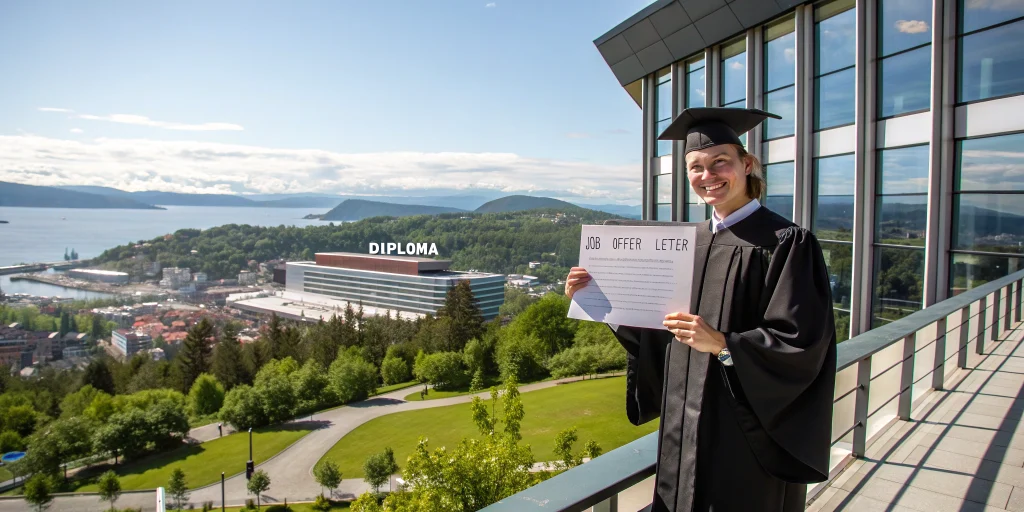
Building a Successful Career After Studying in Norway: A Comprehensive Guide for International Graduates
Quick Navigation
- Understanding Post-Graduation Work Opportunities in Norway
- Step 1: Take Advantage of the Job Seeker Visa
- Step 2: Transition to Full-Time Employment
- Step 3: Utilize the Employee Status for PhD Candidates
- Step 4: Work Towards Permanent Residency (PR)
- Step 5: Understand Visa and Work Regulations
- Additional Strategies for Career Success After Studying in Norway
- Summary Table: Post-Study Career Pathways in Norway
- Take the Next Step with Study in Norway
Understanding Post-Graduation Work Opportunities in Norway
Norway welcomes international graduates to stay, work, and contribute to its growing economy. The country offers a favorable immigration framework, including a job seeker visa, which enables students to remain in Norway after graduation while seeking employment aligned with their qualifications.
Step 1: Take Advantage of the Job Seeker Visa
Upon completing your studies, you may be eligible to apply for a job seeker visa. This permit allows you to stay in Norway for up to 12 months after your student residence permit expires to search for work.
Key requirements include:
- Proof of recent graduation from a recognized Norwegian institution.
- Demonstration of sufficient funds to support yourself during the job-seeking period (NOK 139,347 as of 2025).
- Application before the student permit expires.
This opportunity is crucial in bridging the gap between education and employment, giving graduates time to network, attend interviews, and identify relevant job openings.
Step 2: Transition to Full-Time Employment
To build a successful career, securing a full-time job closely related to your degree is critical. Once you receive a firm job offer or employment contract specifying your job duties and working hours, you can apply for a skilled worker visa (also known as a work permit for skilled workers).
Important criteria for this visa include:
- A minimum annual salary threshold (currently NOK 310,070 in 2025).
- The position must require qualifications that match your education and skills.
- A signed employment contract detailing your role.
Holding a skilled worker visa allows you to work legally in Norway and is a stepping stone toward permanent residency and career advancement.
Step 3: Utilize the Employee Status for PhD Candidates
PhD candidates have a unique advantage in Norway’s employment landscape. Unlike regular students, PhD researchers are treated as employees, receiving salaries and benefits.
Benefits include:
- PhD positions are typically advertised as paid roles.
- Candidates gain valuable work experience, contributing to both academic research and industry projects.
- This employment status aids in professional integration and networking, enhancing prospects for future career opportunities.
Understanding how to navigate this transition can help PhD graduates leverage their research experience effectively within Norway’s job market.
Step 4: Work Towards Permanent Residency (PR)
After holding a skilled worker permit and maintaining continuous employment and residence in Norway for three consecutive years, graduates may apply for permanent residency.
Benefits of permanent residency:
- Greater job security and freedom within the Norwegian labour market.
- Eligibility for certain social benefits and easier access to family immigration.
- An important milestone towards naturalization and long-term career planning.
Maintaining compliance with employment and residency requirements during this period is essential.
Step 5: Understand Visa and Work Regulations
It’s important to recognize that visa and work permit pathways may differ depending on nationality:
- Citizens of EU/EEA/Swiss countries benefit from simplified regulations and can seek work with fewer restrictions.
- Graduates from non-EU countries must adhere to stricter documentation and deadlines.
- All graduates should familiarize themselves with the timelines and documentation needed to transition smoothly from student to worker status.
Knowing these nuances aids international recruiters and university admissions teams in advising students effectively.
Additional Strategies for Career Success After Studying in Norway
Beyond legal and procedural steps, strategic career development is essential. Here are key recommendations to enhance employability and professional growth:
- Utilize University Career Services: Universities in Norway often provide career counseling, coaching, and connections to employers. Leveraging these services facilitates internships, job applications, and interview preparation.
- Attend Job Fairs and Industry Seminars: Active participation in career events helps build networks directly with recruiters, industry professionals, and alumni.
- Learn Norwegian Language: While many Norwegian workplaces operate in English, proficiency in Norwegian significantly broadens job opportunities and integration into the work culture.
- Build a Professional Network: Engage in internships, student organizations, and academic seminars to develop contacts who can support your career development.
Summary Table: Post-Study Career Pathways in Norway
| Stage | Key Action | Visa/Permit | Timeframe | Requirements |
|---|---|---|---|---|
| Graduation | Apply for job seeker visa | Job Seeker Visa | Up to 12 months | Proof of funds; recent graduate |
| Full-time Employment | Accept job offer & apply | Skilled Worker | 1–3 years (renewable) | Minimum salary; relevant job |
| Permanent Residency (PR) | Maintain work & residence status | PR Status | After 3 years | Stable income; compliance |
Take the Next Step with Study in Norway
Building a successful career after studying in Norway is a multifaceted process that involves strategic planning, understanding immigration pathways, and proactive professional development. Explore further to assist your journey towards a fulfilling career.