
How to Get Involved in Campus Life in Norway: A Guide for International Students and Education Professionals
- Understanding Campus Life
- Explore Student Associations
- Participate in Student Activities and Events
- Engage with the Outdoors and Norwegian Lifestyle
- Join Student Politics and Organisations
- Make Use of Student Welfare Organisations
- Student Employment: Balancing Work and Study
- Final Thoughts
- Take the Next Step with Study in Norway
Understanding Campus Life in Norway
Norwegian higher education institutions offer a uniquely welcoming, active, and inclusive campus environment that enriches both academic and social experiences. Campus life in Norway goes beyond the classroom, encouraging students to engage in diverse activities, cultural events, and leadership opportunities that foster personal growth and community spirit.
Explore Student Associations
A Gateway to Friendship and Cultural Integration
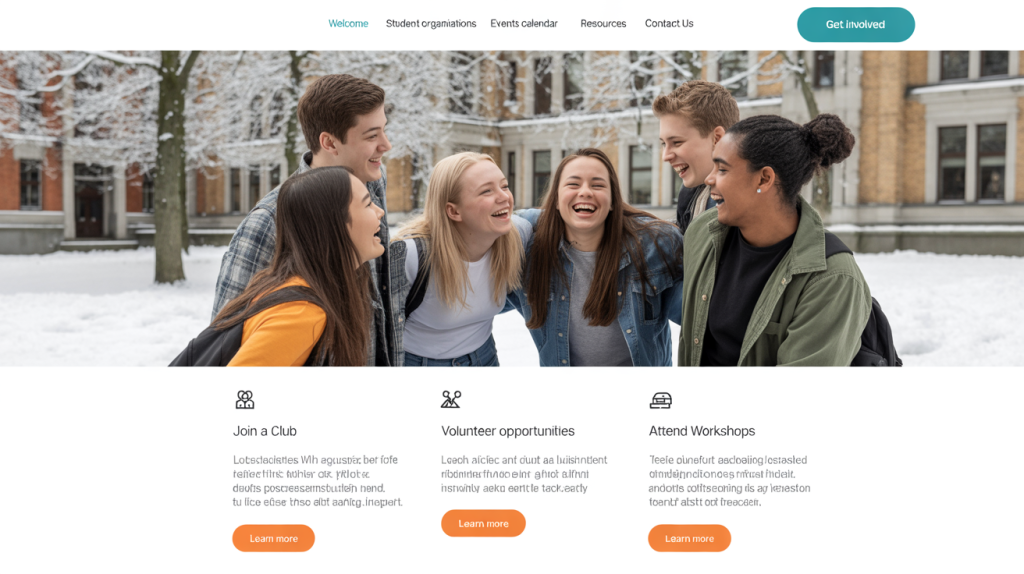
One of the most effective ways for students to become part of the campus community is by joining student associations. Norwegian universities host an astonishing variety of associations — sometimes up to 400 per institution — catering to a wide array of interests such as drama, music, sports, outdoor adventures, and humanitarian work.
Key benefits of student associations include:
- Building Social Networks: Associations provide platforms to connect with both Norwegian and international students, which is critical for cultural exchange and language practice.
- Skill Development: Many associations offer leadership roles, event planning experience, and teamwork opportunities.
- Cultural Insight: Participation allows students to immerse themselves in Norwegian customs and values, enhancing their overall study abroad experience.
For recruiters and admissions teams, highlighting these associations in communications can improve student engagement expectations and satisfaction.
Participate in Student Activities and Events
Active Social and Academic Calendar
Norwegian universities excel at organizing events that welcome students and promote interaction across cultural divides. Throughout the academic year, students can look forward to:
- Welcome Weeks and orientation activities designed to help new students acclimate.
- Semester Start Festivals featuring concerts, fairs, and social gatherings.
- Ongoing Cultural and Sports Events that build campus spirit and community ties.
Student welfare organisations often spearhead these initiatives, aiming to make the transition to university life smooth and enjoyable.
For educational agencies and university marketing teams:
- Emphasizing these dynamic social opportunities in promotional materials can make programs more attractive to prospective international students.
- Consider solutions for enhancing operational efficiency and student participation.
Engage with the Outdoors and Norwegian Lifestyle
Embracing Norway’s Natural Heritage
The outdoors hold a special place in Norwegian culture and student life. Whether it’s organized group hikes, skiing, or exploring scenic trails, nature-based activities are woven into campus culture. This connection to nature:
- Encourages physical and mental well-being.
- Provides informal settings for students to bond and build friendships.
- Enhances appreciation for Norway’s breathtaking environment.
Even in urban areas, students enjoy concerts, cafés, and cultural venues that add vibrancy to everyday life. Education professionals facilitating international recruitment can highlight these unique lifestyle offerings to distinguish Norway as a study destination.
Join Student Politics and Organisations
Leadership and Advocacy Opportunities
For students interested in governance and advocacy, involvement in student politics provides meaningful engagement. Participating in student government:
- Influences university policies and decision-making.
- Develops leadership and negotiation skills.
- Strengthens networking with university staff and peers.
Supporting students to take on such roles encourages integration and a sense of belonging—key factors for retention and academic success. University admissions teams can collaborate with student unions to nurture this leadership pipeline among international cohorts.
Make Use of Student Welfare Organisations
Comprehensive Support Beyond Academics
Student welfare organisations play a crucial role in Norwegian higher education. They offer essential services including:
- Affordable accommodation
- Health care and counseling
- Sports and fitness facilities
- Social clubs and recreational activities
By connecting students with these resources, welfare organisations ensure well-rounded support, easing challenges faced by international students in a new environment. Recruiters and admissions professionals should familiarize themselves with available welfare services to guide students effectively.
Student Employment: Balancing Work and Study
International students in Norway have the right to work part-time during their studies. Working alongside studies offers multiple advantages:
- Supplementing financial needs through part-time income.
- Gaining practical work experience and improving language skills.
- Deepening interaction with the local community and culture.
This opportunity is a significant highlight when promoting Norway as a study destination, addressing students’ economic concerns while emphasizing experiential learning.
Final Thoughts: Embracing Campus Life for a Holistic Education
Getting involved in campus life in Norway enriches the international student experience, supports academic achievement, and fosters lifelong connections. From student associations to outdoor adventures, social events, and welfare services, there is a host of opportunities waiting to be explored.
Education professionals and recruitment agencies that integrate this knowledge into their strategies can significantly improve student satisfaction and institutional reputation.
Take the Next Step with Study in Norway
Explore further how you can enhance your international student experience in Norway.